Unattended Death Cleanup
When a death remains undiscovered for days, cleanup addresses decomposition and controls odors.
See unattended death cleanupGet bodily fluids, affected materials and odor removed from a home, apartment, rental or business in Brandenburg after officials release the property. The scope depends on how long the person was there and which materials were reached.
Death cleanup means carefully taking away bodily fluids and contaminated materials, and treating odor, in any home, vehicle, apartment or business where a person died. You may also hear this work called after death cleaning, death scene cleaning, post death cleanup or biohazard cleanup after death.
Law enforcement gathers evidence when the death requires an investigation, while the deceased is removed by the medical examiner or coroner. Neither agency cleans the space. A professional cleanup service can be arranged after scene release by the family, landlord, property owner or an authorized representative.
Unlike routine home cleaning, death cleanup requires protective gear and a contained work area. Technicians locate the affected places and remove porous items when complete disinfection is not possible. They clean the surfaces that remain and apply an EPA-registered disinfectant for its entire label contact time. The sealed hazardous waste goes to treatment as required by applicable rules.

Unmarked vehicles can be used by cleanup crews, and movement paths through the property can remain controlled. You may confirm in advance how sealed waste and equipment will travel through each space.
The cleanup scope, waste documentation, an item inventory and pictures may help support the insurance claim. Find out who can authorize work and which records the insurance company needs before you move forward.
You should understand which rooms are affected, which materials can remain, what must be removed and when restoration can begin before approving the scope.
A person you trust may help you point out important papers and keepsakes. Belongings need thoughtful assessment and separation into affected and unaffected groups.
After death cleaning services are suitable when a property has been affected by bodily fluids or decomposition. What is required depends on which materials were involved and how soon the person was found. Suicide cleanup and trauma cleanup can involve added coordination with law enforcement ahead of scene release.
Cars, offices, warehouses and other locations can be affected by a death. Surface testing, containment, waste disposal and restoration plans are tailored to each property.
Clutter may conceal affected items and create difficulty reaching the area safely. Biohazard remediation comes first, then any hoarding cleanup services or estate cleanout approved separately.
Moving personal property from a rental home, hotel or apartment may first require coordination among relatives, site management, the insurer and owner.
A delayed discovery may allow fluids and odor to spread into furniture, walls, flooring, the subfloor and surrounding areas. Cleaning should begin only after a broader assessment.
Start by reducing exposure and keeping the property available to officials and for insurance records. You should not go into the room to examine it.
Call (888) 440-9227According to published cost guides, many unattended death cleanup cases fall between $2,000 and $7,000. Cleanup for a recent death affecting limited space may range from $2,000 to $5,000. When discovery occurs after one to two weeks, costs may reach $8,000 to $18,000. Affected materials, time, hazardous waste volume and odor work determine the final scope.
These ranges come from published national cost guides, not from a site visit. After an on-site assessment, the price for your property is determined and shared with you before cleanup begins.
Ask about cost: (888) 440-9227Death cleanup may be covered by homeowners, commercial property or renters insurance if the event qualifies as a covered loss under the policy. Because documentation rules, coverage and deductibles differ, the policyholder should discuss the individual claim with the insurer.
Find out which waste documents, cleanup records, item lists and photographs are required. Do not risk entering the room only to photograph conditions. Cleanup technicians can safely record conditions in the work zone.
Responsibility may be shaped by local requirements, insurance terms, the affected area and the lease. A landlord or property manager should coordinate with the family and relevant insurance companies.
When you call the claims number, ask whether coverage applies to biohazard remediation, affected structural materials, personal property and restoration. Save your claim number along with the adjuster's contact details.
Victims of violent crime can ask the Kentucky Crime Victims Compensation Board about cleanup. State law lists crime scene cleanup at the victim's home or business, with a short time limit, so ask early. Insurance is usually checked first.
The death cleanup process follows a controlled order from assessment through the final check. This cleaning process documents every step, limits cross-contamination and helps determine what can remain throughout the entire process.
The first assessment includes verifying release of the scene, speaking to an authorized person and examining obvious or concealed affected areas. Photos can document conditions for the insurance company.
The work zone is separated from clean rooms. Technicians use suitable protective equipment, create a controlled path and place air filtration when conditions call for it.
You help decide how papers, keepsakes, furnishings and clothing are sorted. You can set aside belongings located outside the affected area, while questionable items get closer assessment.
Subfloor, carpet, pad, drywall, bedding or upholstered furniture must be removed methodically and sealed for disposal if it cannot be disinfected fully.
Disinfection follows the cleaning step on hard materials. An EPA-registered disinfectant is applied for its full contact time, because wiping it away too early can reduce its effectiveness.
Removing the source comes before any odor treatment. Methods such as hydroxyl treatment and HEPA air scrubbers may be selected according to how the room is occupied and its conditions.
For disposal under relevant rules, sealed contaminated materials are moved out through the established path. The treated areas are reviewed, and cleanup records can be prepared for the claim file.
After remediation ends, restoration services may replace cabinets, trim, drywall or flooring that was removed. The cleanup scope does not include separate reconstruction work.
Phone any hour. You speak with a death cleanup specialist who outlines the process and schedules a start time with you.
A room affected by a death may hold bacteria, bloodborne pathogens, airborne odor compounds and porous materials with contamination. Together, these hazardous materials can pose serious health risks. What remains may also reach past the area you can see.
Removed carpet, bedding, drywall and other affected materials may require regulated packaging, transport and treatment. Do not put affected waste into household bins or shared dumpsters.
Fluids can pass through carpet and pad, follow floor seams, reach subfloor or collect behind baseboards. Treating what is visible alone may not remove the odor or contamination underneath.
Entering the place where someone died can be deeply upsetting. Consider having cleanup technicians meet someone you trust to inspect personal property on your behalf.
Can you clean it yourself? You may clean a limited amount of fresh blood from a sealed, non-porous material by wearing gloves and following the full label contact time for an EPA-registered disinfectant. Professional cleanup is needed when fluids reach carpet, drywall, bedding, unfinished wood or a space you cannot examine safely, so stay away.
Porous materials are removed when fluid has traveled under the surface or cannot be reached completely. A non-porous item may be kept only when each affected surface is accessible and can be both cleaned and disinfected.
The OSHA Bloodborne Pathogens Standard, 29 CFR 1910.1030, covers employee blood exposure through rules for work practices, training, protective equipment and exposure controls.
A disinfectant used for blood or bodily fluids should be registered by the EPA and used on a compatible surface for the full contact time stated on its label.
Kentucky has no single medical waste agency. The Energy and Environment Cabinet's Division of Waste Management permits medical waste transfer stations, and most landfills accept this waste only after treatment, so it should not go in household trash.
Kentucky relies on elected county coroners, supported by the Office of the State Medical Examiner, which helps coroners determine cause of death. Cleanup starts after police or the medical examiner or coroner release the scene.
Death cleanup may take one day for a small, recent and contained area, or several days when fluids reached structural materials or odor moved through surrounding areas. The assessment, removal needs and drying or air treatment determine the schedule.
The full death cleanup guide covers what is cleaned or removed, odor and air quality work, and the rules that apply in Meade County.
Read the full death cleanup guideLocal housing, population and access details can shape containment, access and cleanup planning.
Rental housing accounts for 53.3% of homes here, making careful records useful when responsibility for damaged materials must be sorted out.
In housing built around 1987, a moisture check can help define how far sewage or cleaning water traveled.
The local count of seniors living alone is 188, so a cleanup plan may need input from someone managing the home remotely.
The local mix includes 53.2% single-family homes, so privacy measures should reflect both detached and multi-unit settings.
Your phone conversation can include questions about service in nearby ZIP codes and communities.
When a death remains undiscovered for days, cleanup addresses decomposition and controls odors.
See unattended death cleanup
Cleanup after a death that was found quickly, with care for the family home.
See attended death cleanup
Removal of decomposition fluids from floors, subfloors and furniture.
See decomposition cleanup
At the source, death odor removal uses air scrubbers plus hydroxyl and ozone treatment.
See death odor removal
Following a death, estate cleanout includes sorting possessions and removing them safely.
See estate cleanout after a death
Blood cleanup clears blood from furniture, walls, hard floors and carpet, followed by safe disposal.
See blood cleanup
Following accidents, violence or injuries, trauma scene cleanup addresses the affected area.
See trauma scene cleanup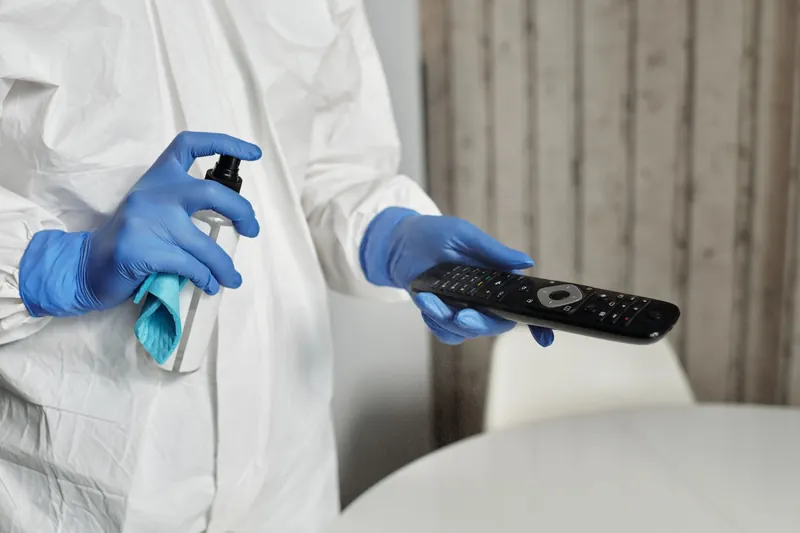
Biological remediation removes contamination so the space can be safely used again.
See biohazard remediationDrying does not prevent blood and certain bodily fluids from containing bloodborne pathogens. Hidden contamination can also stay within porous items. Keep children and pets away, avoid contact, and do not bring a household mop or vacuum into the affected area.
Many belongings outside the affected area can remain. Sealed, non-porous items may be cleanable when every surface can be reached. Removal may be necessary for porous belongings with direct contact from bodily fluids. Have items checked and photographed ahead of disposal, with special attention given to the documents, keepsakes and photos you identify.
Although the coroner or medical examiner takes the deceased, property cleanup is not performed by that office. Death cleanup arrangements begin after release and may be made by an authorized representative, landlord, family member or owner. Cleanup technicians can remove bodily fluids and affected materials, disinfect reachable surfaces, treat odor and prepare records for an insurance claim.
A homeowners policy may cover biohazard cleanup after a death when the event meets the policy terms, but coverage and deductibles vary. As soon as practical, report the loss and discuss odor treatment, reconstruction, affected personal property and contaminated building materials. Keep the claim number, adjuster contact details, photos and cleanup records together.
Cleanup may require about one day when the area is recent, limited and contained. Several days may be needed if bodily fluids affected nearby rooms, furniture, drywall, subfloor or carpet padding. Restoration and treatment of odors have their own timelines. The initial assessment should explain the sequence and which conditions must be met before the space can be used again.
Published guides place many unattended death cleanup cases between $2,000 and $7,000. Recent cases with a limited affected area may cost less than advanced cases involving subfloor, walls, furniture or extensive odor work. Before approving cleanup, you should receive an assessment of affected materials, the amount of waste and restoration requirements.
You can request respectful, discreet death cleanup 24 hours a day, and crews use unmarked vehicles.